
SCP 2026 Annual Awards Ceremony Successfully Held in Melbourne, Australia
The International Society for Smart Construction and Production (SCP) successfully held its 2026 Annual Awards Ceremony during the 12th International Conference on Intelligent Manufacturing and Construction (IPC 2026) in Melbourne, Australia, on 19–20 November 2026.
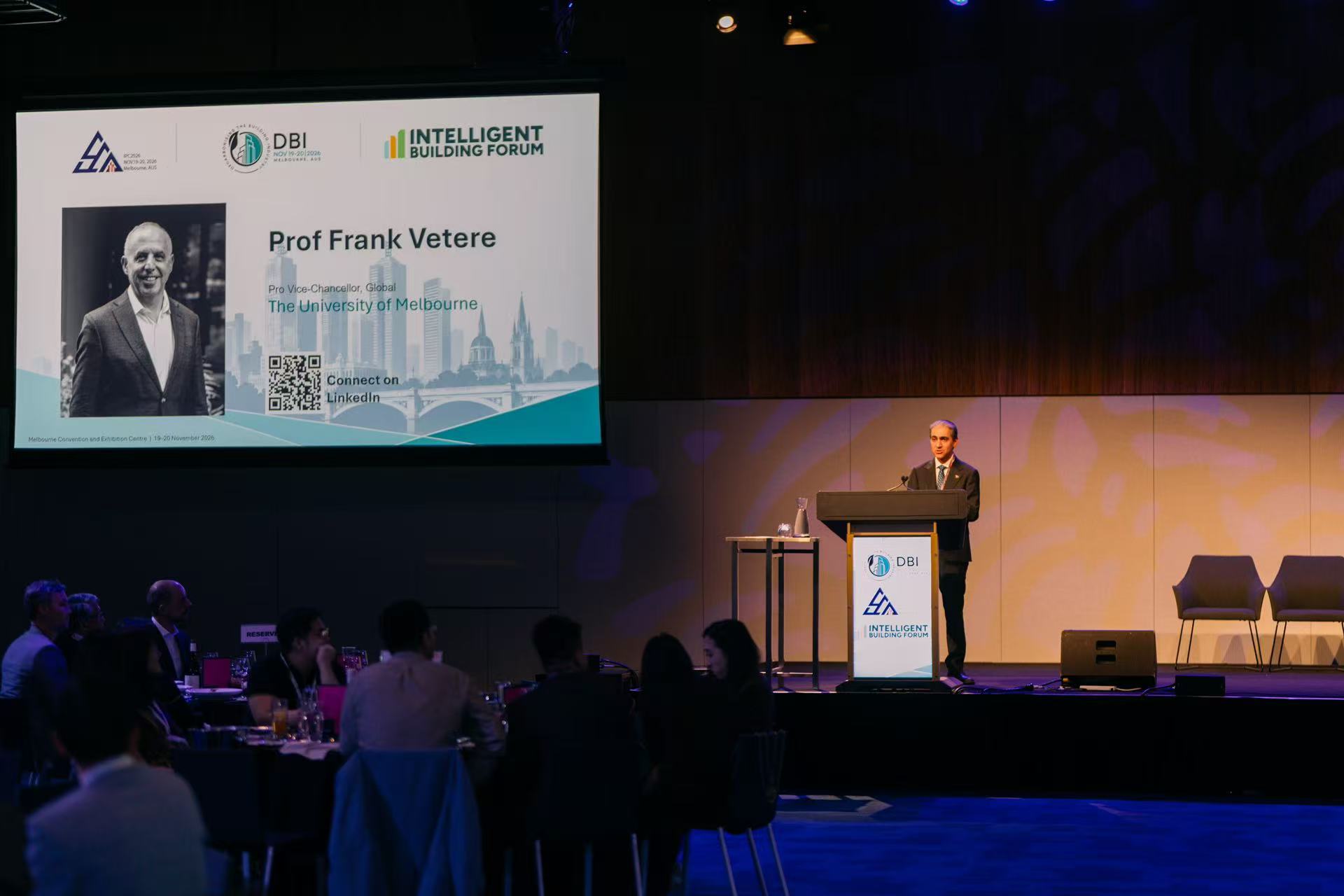
The ceremony took place during the conference Gala Dinner, bringing together internationally renowned scholars, distinguished academics, researchers, and industry representatives to celebrate outstanding achievements and contributions to smart construction and production.
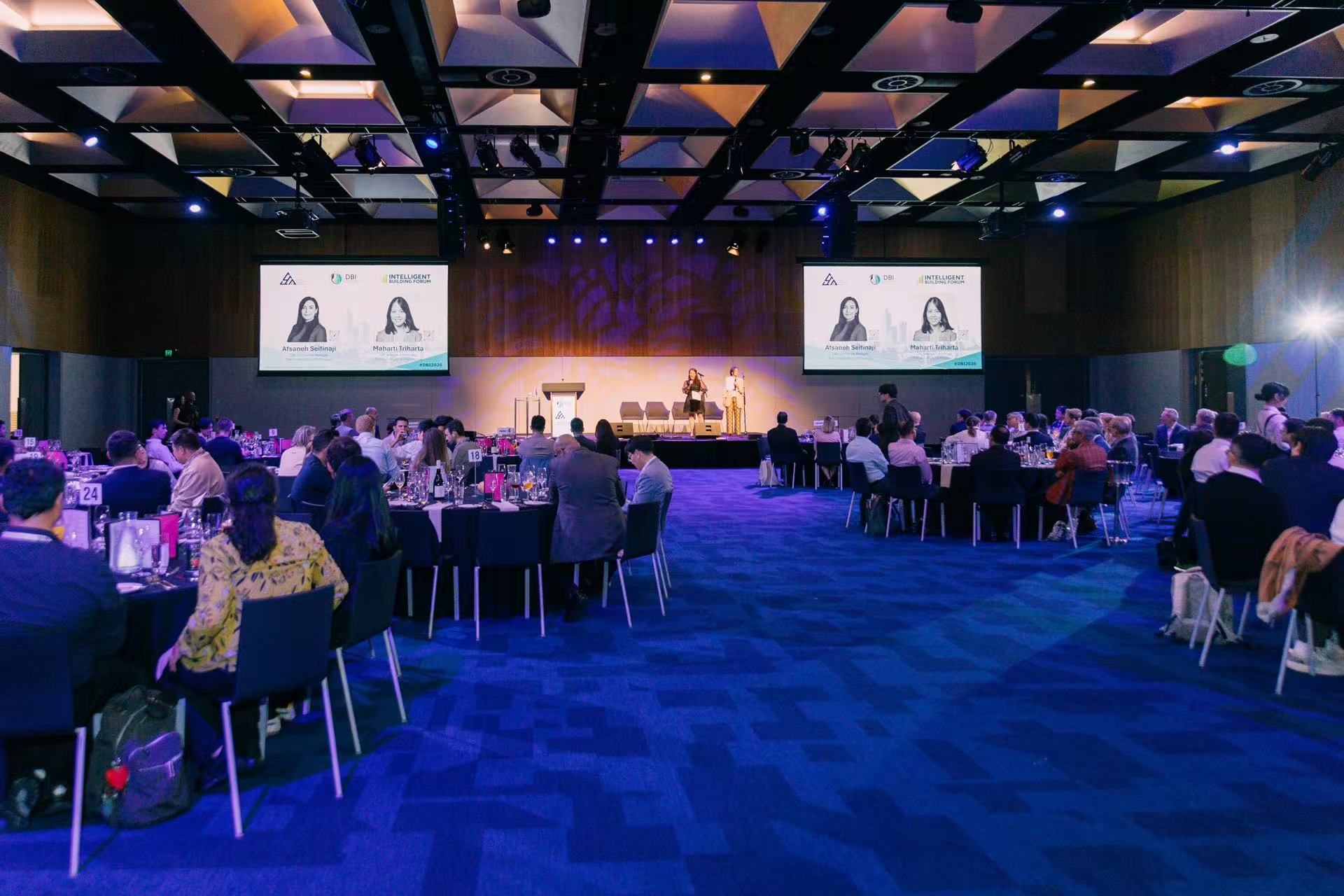
The Vice-Chancellor Global of the University of Melbourne attended the Gala Dinner and delivered an address. The event provided a valuable opportunity for international academic exchange, professional networking, and further collaboration among universities, research institutions, and industry partners.
The SCP Annual Awards recognise individuals and organisations that have made outstanding contributions to academic research, technological innovation, international collaboration, and industry advancement in smart construction and production.
This year, nine award categories were presented, recognising ten distinguished individuals and one organisation for their outstanding achievements and contributions.
Professor Vijay P. Singh, a member of the U.S. National Academy of Engineering, and Professor Xiangyu Wang, a member of Academia Europaea and the European Academy of Sciences and Arts, and Professor at Virginia Tech, jointly presented the awards to the recipients.
SCP 2026 Annual Award Recipients
Lifetime Achievement Award
Winner: Xigang Zhang
Member of the Chinese Academy of Engineering
Chief Scientist, China Communications Construction Group (CCCC)
As Chief Designer of the Sutong Yangtze River Bridge, he led the design and construction control behind a world-first span, honoured by ASCE and FIDIC. He also developed precast segmental technology that moved bridge delivery toward off-site production, and now leads national research on intelligent bridge maintenance.
Young Professional Award
Winner: Qiuchen Lu
Professor, The Bartlett School of Sustainable Construction
University College London
A professor at UCL by the age of 35, she proposed the five-layer multi-scale digital twin theory and has applied it from single buildings to whole cities. Her AI-enabled digital twinning methods have been adopted or evaluated by government and industry, and she holds a RAEng / Leverhulme Trust Research Fellowship.
Winner: Wenchi Shou
Associate Professor in Construction Management
Western Sydney University
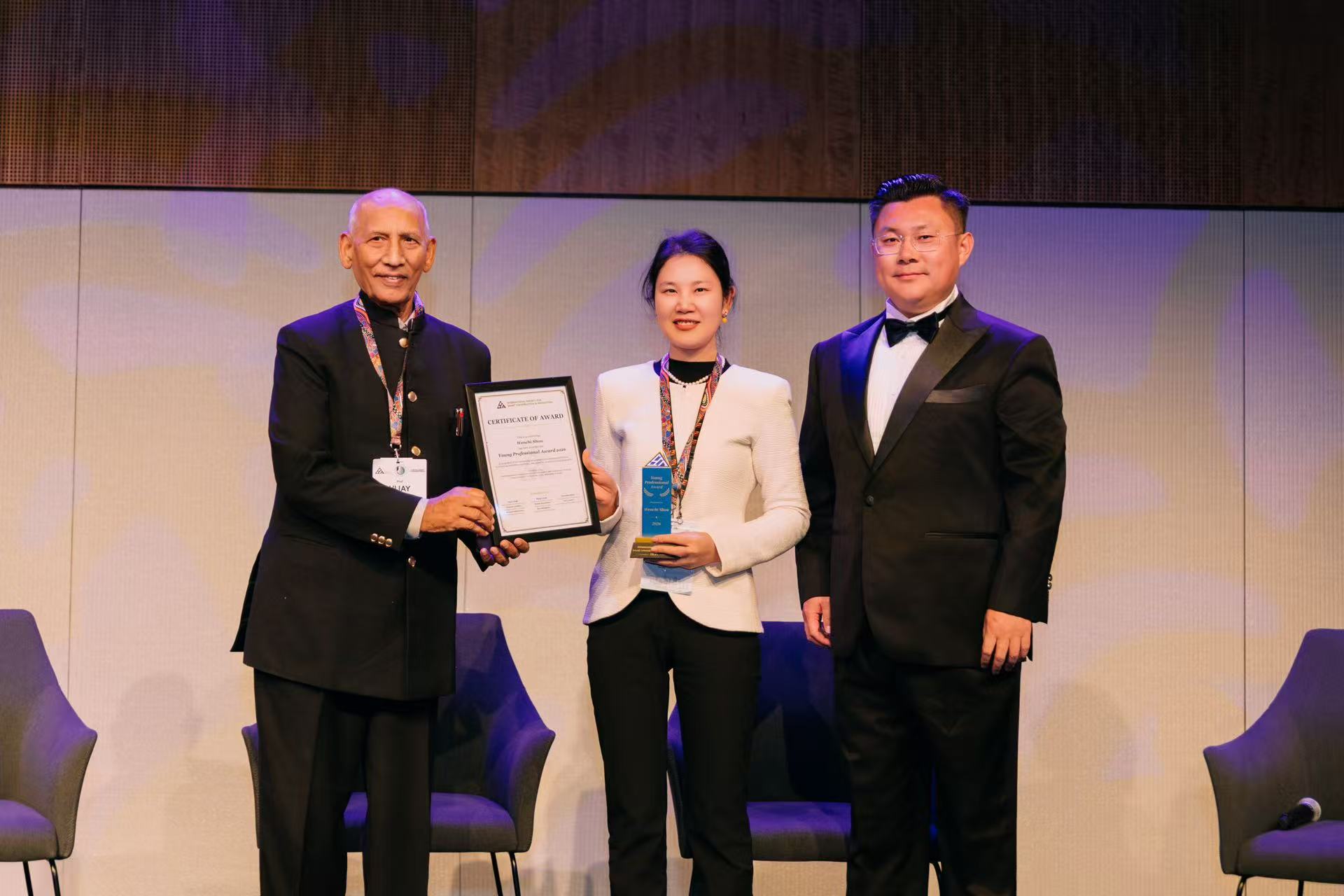
She is the leading developer of EasyCarbon, an AI-enabled carbon estimation, tracking and auditing platform implemented or tested with Sunshine Coast Council, Main Roads Western Australia and other partners. With more than 50 journal papers and 4,000 citations, she also founded the Australian Digital Innovation & Decarbonisation Hub.
Smart Construction Award
Winner: Ding Wen (Nic) Bao
Associate Professor in Architecture and Director, FormX Research Lab
RMIT University
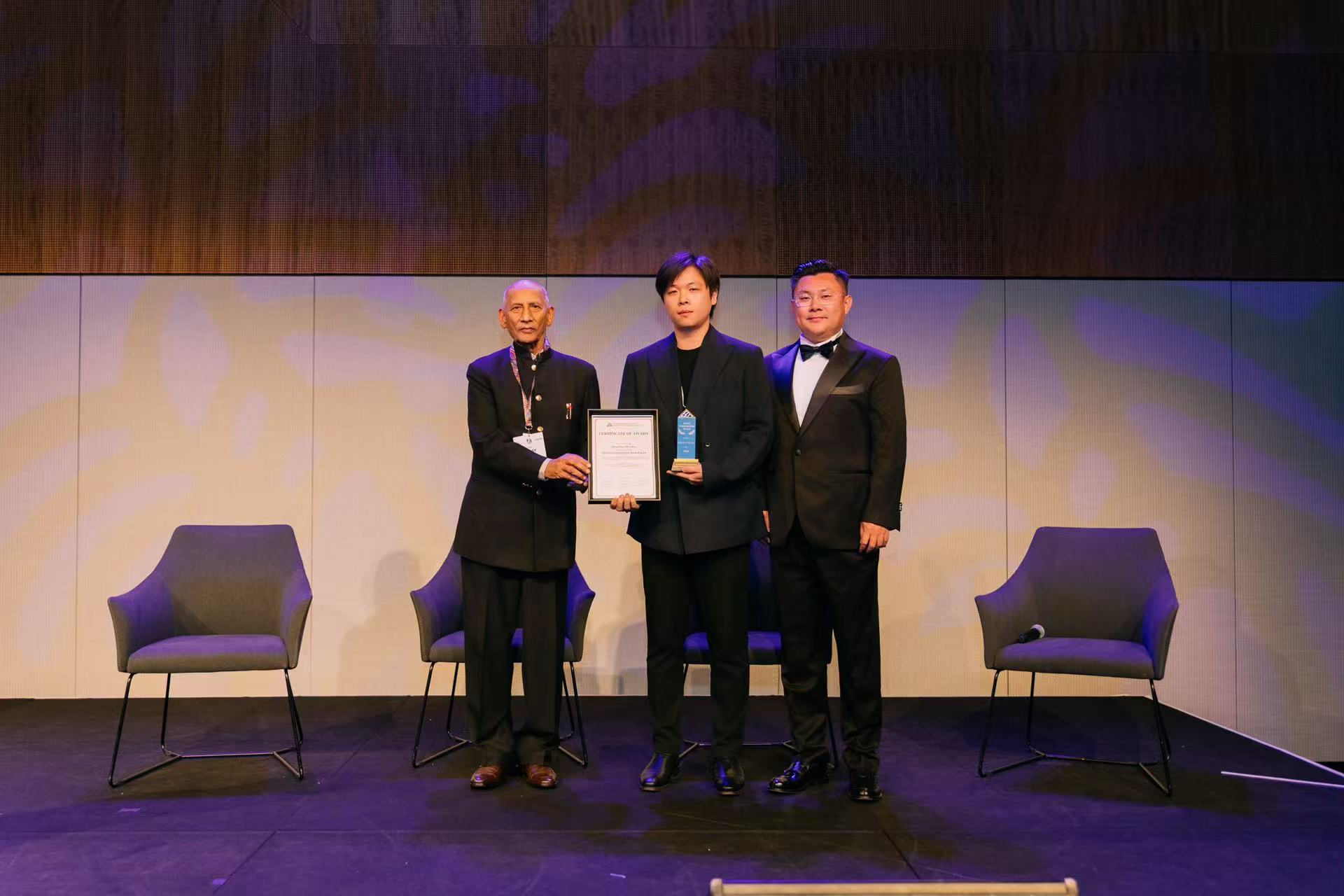
His work brings AI, BIM, digital twins and robotic fabrication into full-scale prototypes and practical building applications. His 3D printed modular housing project combines robotic 3D printing with rapid on-site assembly for rural and remote communities, and he led a digital twin project for the Sunshine precinct.
Smart Production Award
Winner: Wei Chen
Wilson-Cook Professor in Engineering Design and Chair of Mechanical Engineering
Northwestern University
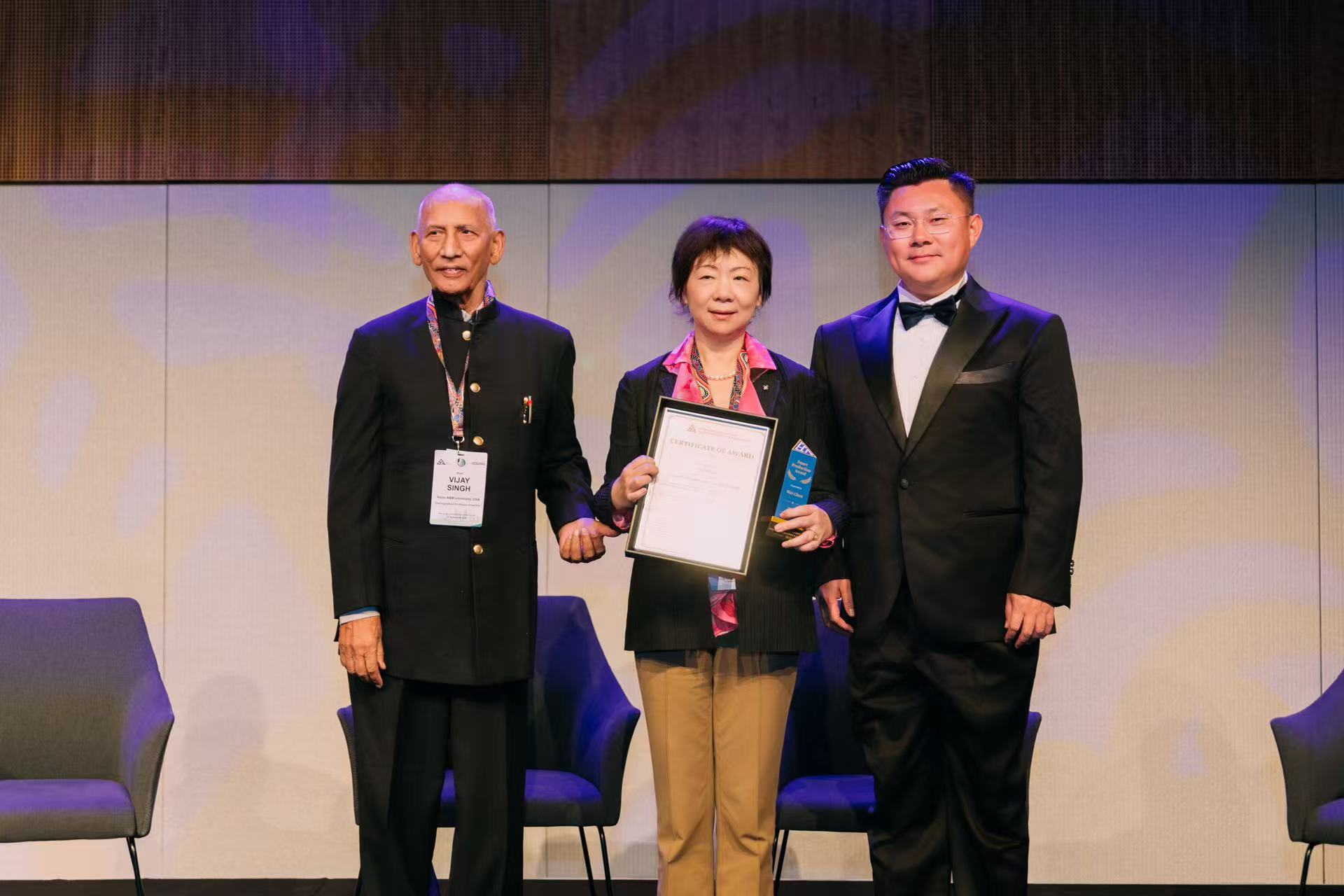
A member of the National Academy of Engineering, she develops methods for autonomous design and manufacturing that combine machine learning, physics-based simulation and uncertainty quantification. Her work extends to digital twins of manufacturing processes, and her methods are built into iSIGHT, HyperWorks and Siemens NX.
Emerging Technology Award
Winner: Rafael Sacks
Professor, Faculty of Civil and Environmental Engineering
Technion – Israel Institute of Technology
He is recognised for Digital Twin Construction, a new paradigm that closes the loop between digital models, live production data and decision-making, uniting BIM, Lean Construction and AI. As Scientific and Technical Manager of the EU's BIM2TWIN project, he helped take the technology from concept to real construction sites.
Robotics in Construction Award
Winner: Liping Li
Professor and Dean, School of Qilu Transportation
Shandong University
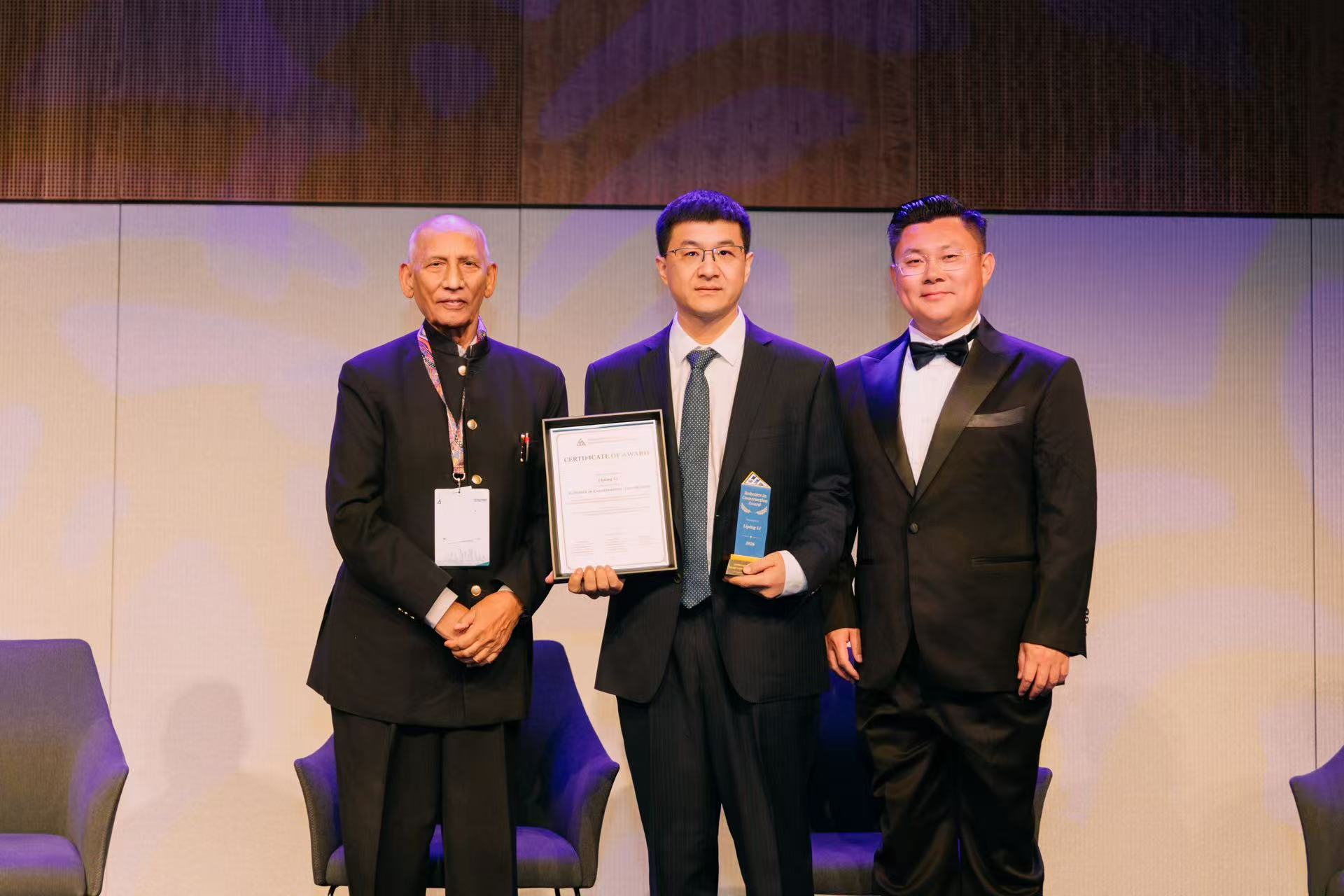
He develops robots for building and maintaining tunnels. His construction robots and Tunnel Smart Brain platform support drill-and-blast tunnelling, his Five Senses and One Brain system gives shield machines and TBMs intelligent perception and decision support, and his inspection and repair robots serve metro and high-speed rail.
Community Impact Award
Winner: Brian Uy
Scientia Professor of Structural Engineering, UNSW
105th President, The Institution of Structural Engineers
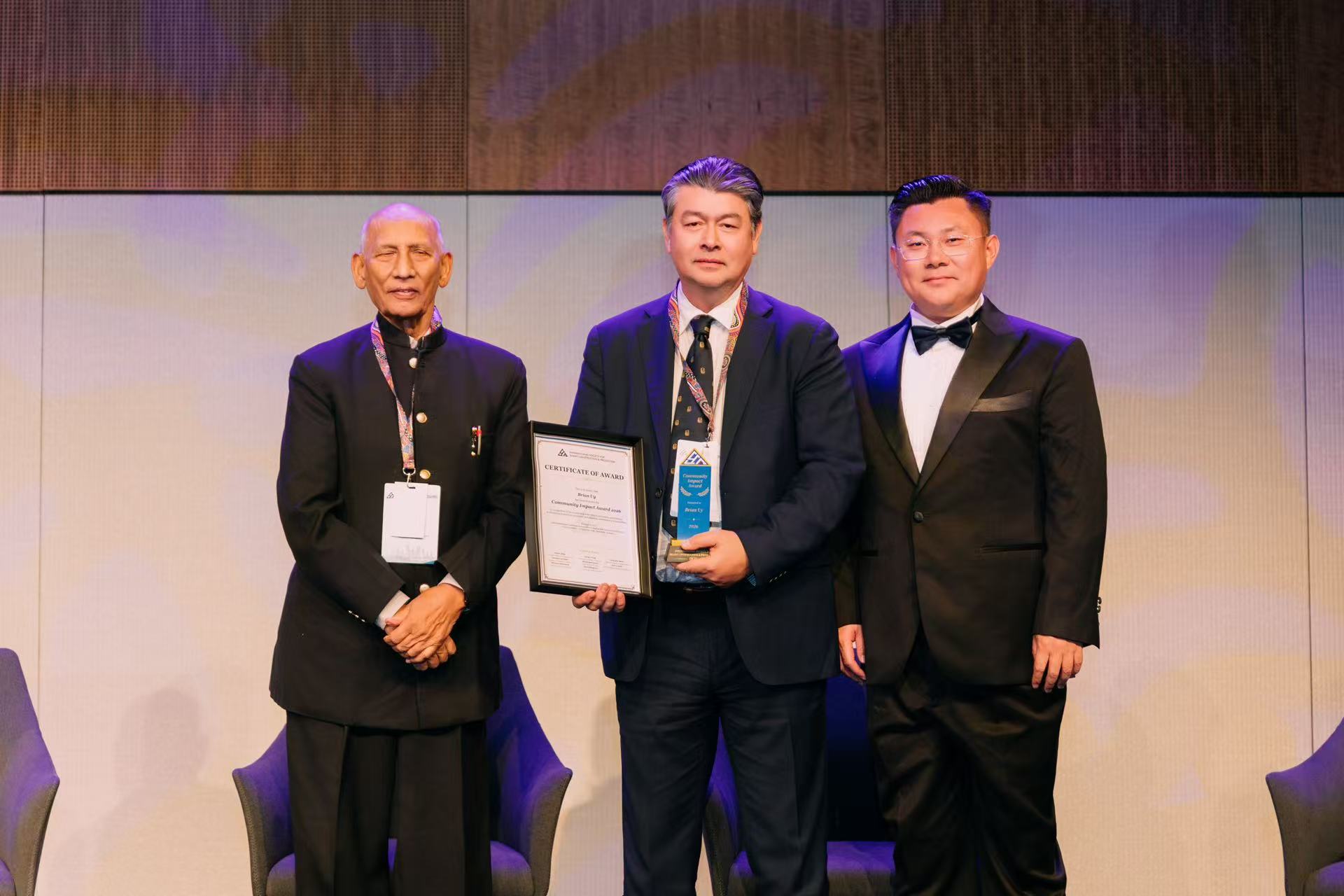
For more than two decades he has turned engineering research and infrastructure innovation into tangible benefits for communities. He connected engineering education with regional employers, helped establish the Werrington Park Corporate Centre, and chairs the Australian Standards committees for composite structures and bridges.
Excellence in Collaboration Award
Winner: André Borrmann
Chair of Computing in Civil and Building Engineering, Technical University of Munich
Director, TUM Georg Nemetschek Institute – AI for the Built World
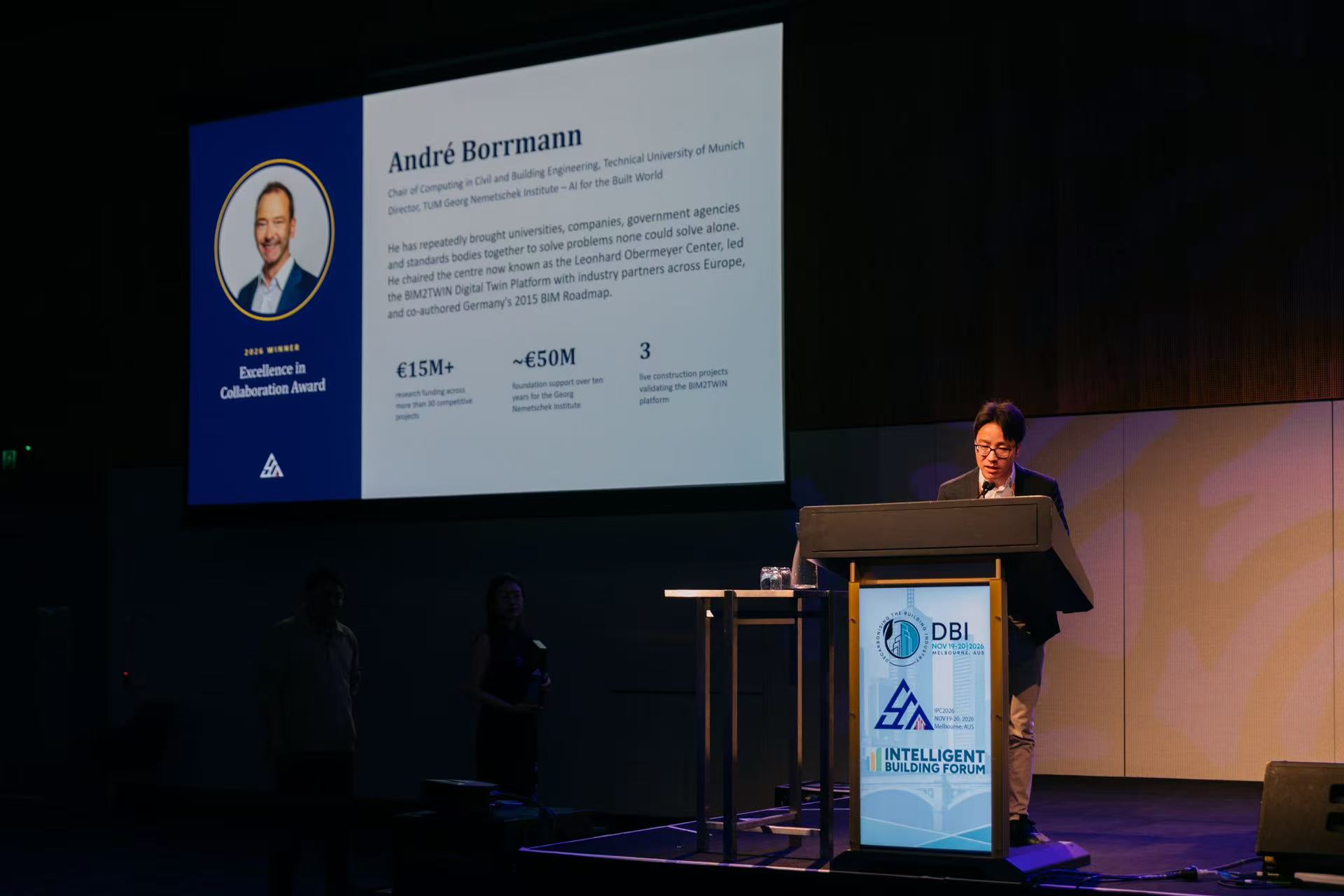
He has repeatedly brought universities, companies, government agencies and standards bodies together to solve problems none could solve alone. He chaired the centre now known as the Leonhard Obermeyer Center, led the BIM2TWIN Digital Twin Platform with industry partners across Europe, and co-authored Germany's 2015 BIM Roadmap.
Digital Transformation Award
Winner: Transport for NSW
Recognised for its Digital Engineering Framework
and Sustainable Infrastructure Program
Building on its Digital Engineering Framework, Transport for NSW has moved beyond project-level BIM toward an integrated digital ecosystem. Its Sustainable Infrastructure Program embeds cost and carbon data into core engineering processes, and its Infrastructure Common Data Model creates a shared digital language for infrastructure.
The 2026 Annual Awards Ceremony not only celebrated the exceptional achievements of the award recipients but also demonstrated SCP’s continued commitment to recognising research excellence, encouraging technological innovation, supporting emerging talent, and strengthening international academic and industry collaboration.
Through its annual awards programme, SCP aims to inspire further innovation, promote interdisciplinary research, and facilitate the translation of advanced research into practical applications across the construction and manufacturing industries.
Looking ahead, SCP will continue to strengthen its global academic and professional networks, foster international collaboration, and advance the development and application of smart construction and production technologies, contributing to a more intelligent, efficient, and sustainable built environment.
SCP extends its warmest congratulations to all the 2026 award recipients and expresses its sincere appreciation to all distinguished guests, conference participants, and partners for their continued support.
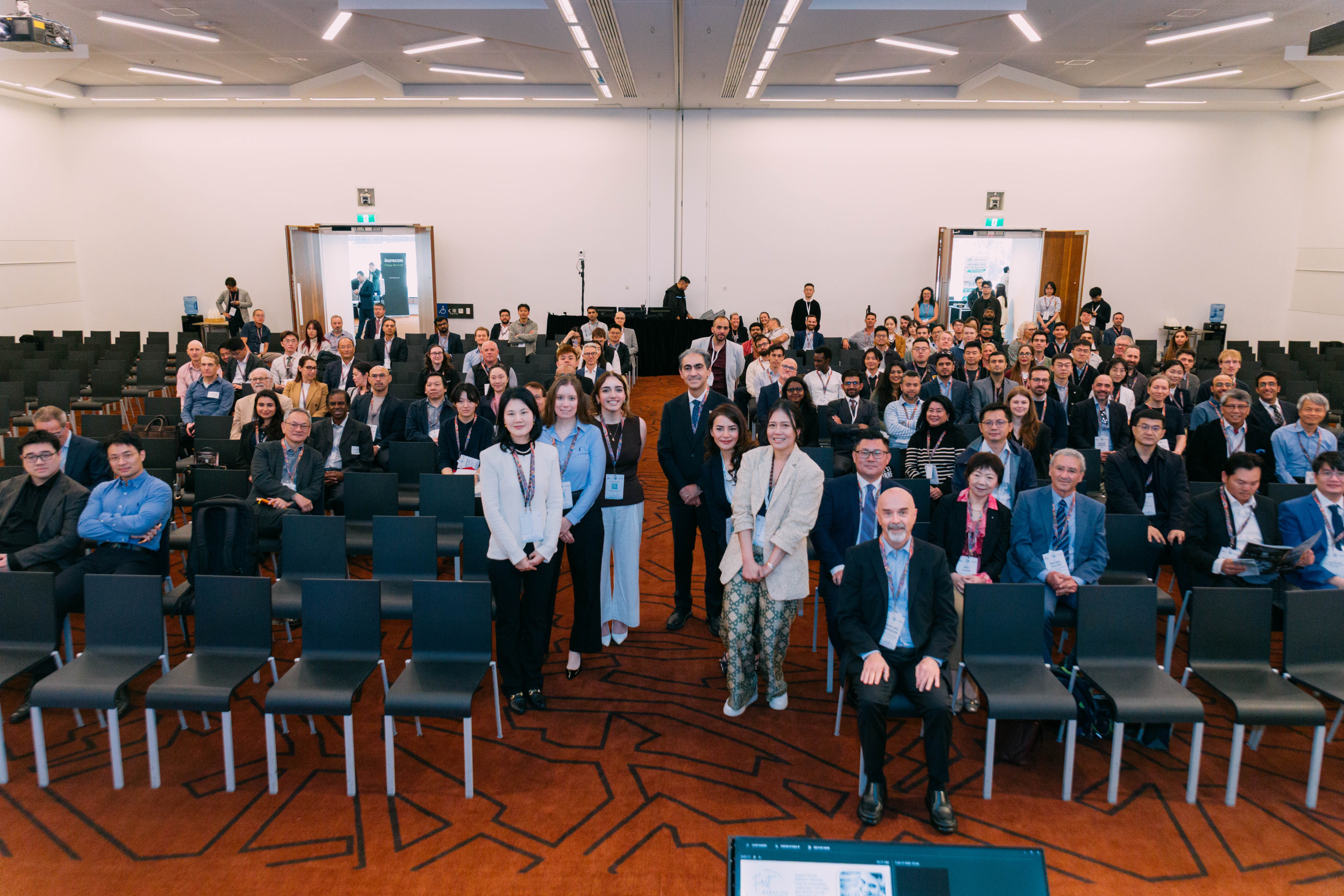
[Photo: Group photo of award recipients and distinguished guests]
Latest Post